
"old crop coffee"
1000 article(s) found

Boutique coffee learns how to distinguish between new beans and old beans
The main components of raw beans are: carbohydrates, about 49%; moisture, about 12%; protein. About 11%; chlorogenic acid, about 7.6% alkaloids and trace elements, about 0.4%. According to the length of time, raw beans can be specifically divided into: seasonal beans (Current Crop), that is, fresh beans; new beans (New Crop), that is, raw beans of the first year; and old beans (Past Crop), that is,

High-quality coffee raw beans: the difference between new beans and old beans
After dry and wet processing, coffee fruit becomes coffee raw bean (Raw bean/Green bean). The main components of raw beans are: carbohydrates, about 49%; moisture, about 12%; protein. About 11%; chlorogenic acid, about 7.6% alkaloids and trace elements, about 0.4%. According to the length of time, raw beans can be divided into: seasonal beans (Current Cro)
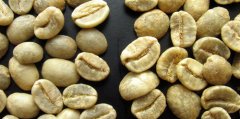
Coffee raw beans: the main components of raw beans between new beans and old beans
After dry and wet processing, coffee fruit becomes coffee raw bean (Raw bean/Green bean). The main components of raw beans are: carbohydrates, about 49%; moisture, about 12%; protein. About 11%; chlorogenic acid, about 7.6% alkaloids and trace elements, about 0.4%. According to the length of time, raw beans can be divided into: seasonal beans (Current Cro)
Boutique coffee common sense coffee raw beans the difference between new beans and old beans
After dry and wet processing, coffee fruit becomes coffee raw bean (Raw bean/Green bean). The main components of raw beans are: carbohydrates, about 49%; moisture, about 12%; protein. About 11%; chlorogenic acid, about 7.6% alkaloids and trace elements, about 0.4%. According to the length of time, raw beans can be divided into: seasonal beans (Current Cro)
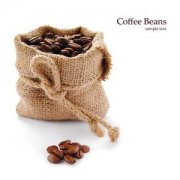
Coffee raw beans: the difference between new beans and old beans
Coffee raw beans: the coffee fruits of new beans and old beans are processed by dry and wet methods, and then become coffee raw beans (Raw bean/Green bean). The main components of raw beans are: carbohydrates, about 49%; moisture, about 12%; protein. About 11%; chlorogenic acid, about 7.6% alkaloids and trace elements, about 0.4%. According to the length of time, raw beans can be specific.
Do you know the difference between fresh coffee beans, old beans and aged beans?
Professional coffee knowledge exchange More coffee bean information Please pay attention to coffee workshop (Weixin Official Accounts cafe_style) How to distinguish between new beans and old beans? New Crop: The green coffee beans harvested in that year are called "new beans". The moisture content is high, about 12~13%, dark green, rich in flavor and aroma, obvious flavor and full of personality.
Coffee raw beans: the difference between new beans and old beans
Coffee training knowledge: coffee raw beans: new beans and old beans. After dry and wet processing, coffee fruit becomes coffee raw bean (Raw bean/Green bean).

The main components of raw beans are new beans and old beans.
After dry and wet processing, coffee fruit becomes coffee raw bean (Raw bean/Green bean). The main components of raw beans are: carbohydrates, about 49%; moisture, about 12%; protein. About 11%; chlorogenic acid, about 7.6% alkaloids and trace elements, about 0.4%. According to the length of time, raw beans can be divided into: seasonal beans (Current Cro)
Boutique coffee beans common sense how to distinguish between new beans and old beans
After dry and wet processing, coffee fruit becomes coffee raw bean (Raw bean/Green bean). The main components of raw beans are: carbohydrates, about 49%; moisture, about 12%; protein. About 11%; chlorogenic acid, about 7.6% alkaloids and trace elements, about 0.4%. According to the length of time, raw beans can be divided into: seasonal beans (Current Cro)
Fine coffee learn the difference between new beans and old beans of raw coffee
After dry and wet processing, coffee fruit becomes coffee raw bean (Raw bean/Green bean). The main components of raw beans are: carbohydrates, about 49%; moisture, about 12%; protein. About 11%; chlorogenic acid, about 7.6% alkaloids and trace elements, about 0.4%. According to the length of time, raw beans can be divided into: seasonal beans (Current Cro)
Coffee training knowledge: coffee raw beans: the difference between new beans and old beans
Coffee raw beans: the difference between new beans and old beans. After dry and wet processing, coffee fruit becomes coffee raw bean (Raw bean/Green bean). The main components of raw beans are: carbohydrates, about 49%; moisture, about 12%; protein. About 11%; chlorogenic acid, about 7.6% alkaloids and trace elements, about 0.4%. According to the length of time, raw beans can have

Coffee knowledge introduces the distinction between raw beans, new beans and old beans
After dry and wet processing, coffee fruit becomes coffee raw bean (Raw bean/Green bean). The main components of raw beans are: carbohydrates, about 49%; moisture, about 12%; protein. About 11%; chlorogenic acid, about 7.6% alkaloids and trace elements, about 0.4%. According to the length of time, raw beans can be divided into: seasonal beans (Current Cro)

Is there a shelf life for raw coffee beans? How long is its shelf life?
The coffee culture is broad and profound, and the world of fine coffee is really too vast. With regard to boutique coffee, the flavor is obviously different in different months, soil and water, altitude, variety and treatment, and the influence of coffee manor on the flavor is also very important. So what are the other variables that affect the quality of coffee? we have heard of the freshness of coffee beans, usually roasted coffee.
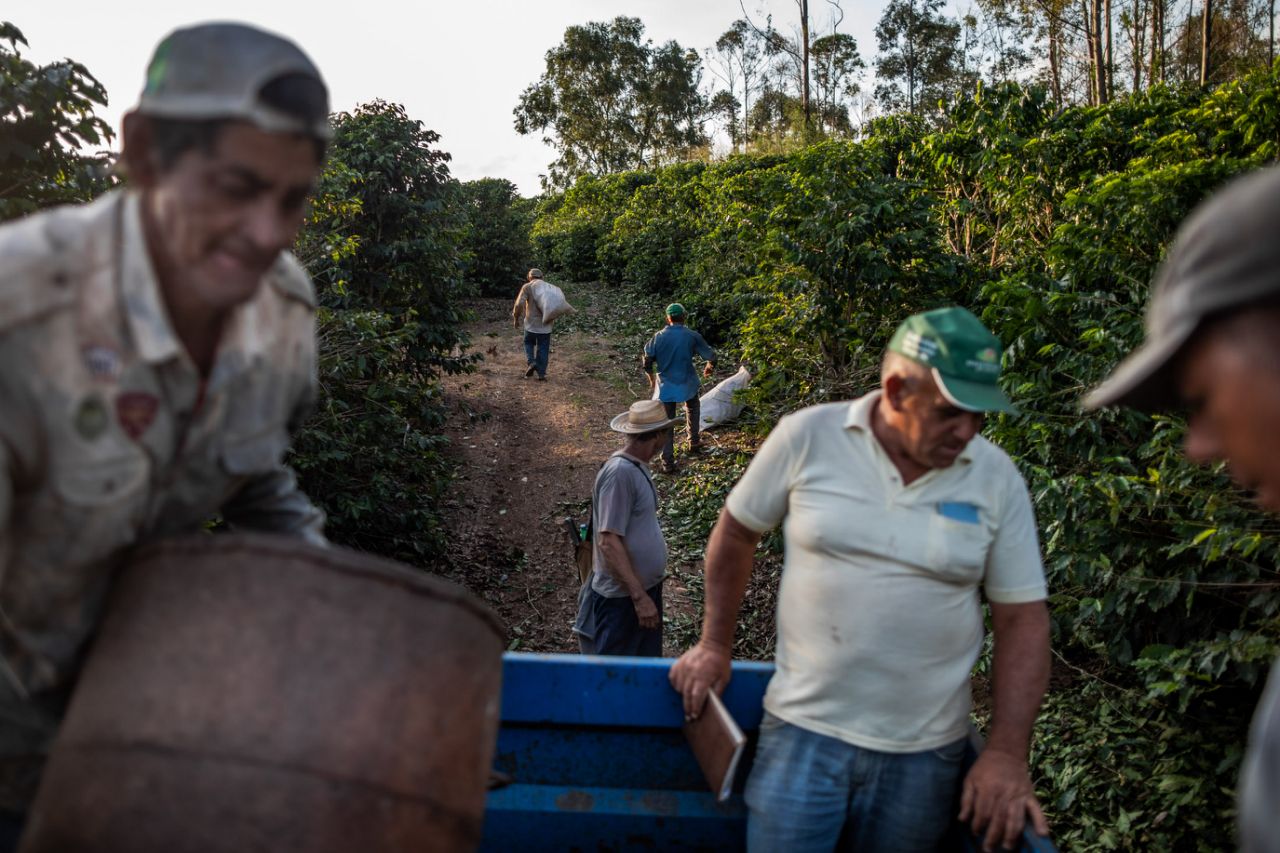
Coffee is getting cheaper, but Brazil has found a way to increase production quickly at a low cost.
Professional coffee knowledge exchange more coffee bean information follow coffee workshop (Wechat official account cafe_style) Rodrigo Freitas Silva (Rodrigo de FreitasSilva) Coffee farm in the heart of Brazil is booming, even after the worst price crisis in decades. In the past decade, the 41-year-old man has planted his noodles

What is the difference between new beans, old beans, old beans and high-quality old beans?
The roasting date of coffee beans is very important, and the roasting date can be used to determine whether the coffee is in a delicious state or whether it has been stored for too long or improperly stored. But do you know the state of these coffee beans before they are roasted? After the fruit is harvested, the coffee will be treated for several weeks, including the procedures of pulp removal, fermentation, drying, hand picking and so on.

How to distinguish between new beans, old beans, old beans and old beans of coffee? What's the difference between Chen Dou and Lao Dou?
The roasting date of coffee beans is very important, and the roasting date can be used to determine whether the coffee is in a delicious state or whether it has been stored for too long or improperly stored. But do you know the state of these coffee beans before they are roasted? After the fruit is harvested, coffee will be treated for several weeks, including the procedures of pulp removal, fermentation, drying, hand picking and so on.

Botanical characteristics of small seed Coffee Coffee shallow Root crops
1. Root coffee is a shallow root crop, and the plant propagated with seeds is a cone root system. From the point of view of varieties, the roots of small and medium grain species are shallow, while those of large grain species are deeper. Yunnan small grain coffee is a 3-year-old 4-year-old fruit tree with a deep main root of about 70cm. The lateral root that grows horizontally from the main root is called the horizontal lateral root, the vertical lateral root grows downward, and the root extracted from the lateral root is called the secondary lateral root.

What's the difference between new beans and old beans in coffee? The preservation of coffee beans the way coffee is stored.
Professional coffee knowledge exchange more information on coffee beans Please follow the coffee workshop (official Wechat account cafe_style). The raw beans harvested during the harvest period are called new beans, while those harvested for more than three years are called old beans. Although the recent mainstream is New Dou, Lao Dou also has loyal fans. Understand the advantages of new beans and old beans, and enjoy the flavor. ● new beans give off fresh flavor

Specialty Coffee III
Before saying that in the factors affecting the taste of a cup of coffee, raw beans account for 60%, roasting accounts for 30%, production accounts for 10%, this is a rough analysis, then throughout the life course of coffee beans, from crop to cup factors affecting the taste of a cup of coffee can be infinitely refined. First, the variety. Sow melons and reap melons, sow beans and reap beans. Whether you plant melons or beans, seed selection is the first priority. Of course, I
Boutique Coffee (specialty coffee)
It was said before that among the factors that affect the taste of a cup of coffee, raw beans account for 60%, roasting accounts for 30%, and production accounts for 10%. This is a general analysis, so throughout the life process of coffee beans, the factors that from crop to cup affects the taste of a cup of coffee can be infinitely refined. The first is the variety. Sow melon, reap beans, no matter whether it is to plant melons or beans, seed selection is the most important, of course I